

2026 IDIES Annual Symposium
Thursday, October 22, 2026,
8:00am–6:00pm
6225 Smith Ave.
Mt. Washington Campus
This year’s theme is:
“In Data We (and AI) Must Trust”
KEYNOTE SPEAKERS ANNOUNCED
This event sponsored in part by:
In Data We (and AI) Must Trust
The Institute for Data-Intensive Engineering and Science (IDIES) invites you to its Annual Symposium, a free, university-wide event celebrating the power of data-driven discovery and interdisciplinary collaboration. Bringing together researchers, innovators, and practitioners from across Johns Hopkins University, government agencies, and private industry, the symposium showcases the latest developments in data-intensive research while creating space for connection, conversation, and new ideas.
This year’s theme, “In Data We (and I) Must Trust,” highlights the growing importance of trust, transparency, and innovation in an increasingly data-rich world.
Attendees can look forward to an engaging program featuring presentations from Hopkins researchers, updates from IDIES-affiliated projects, a poster gallery, lightning talks, a juried competition, and topic-based panels designed to spark meaningful discussion across fields. More than just a showcase of research, the symposium is a vibrant gathering place for building collaborations, sharing insights, and exploring what’s next in data-intensive science and engineering. Breakfast, lunch, and cocktails will be provided.
Keynote Speakers
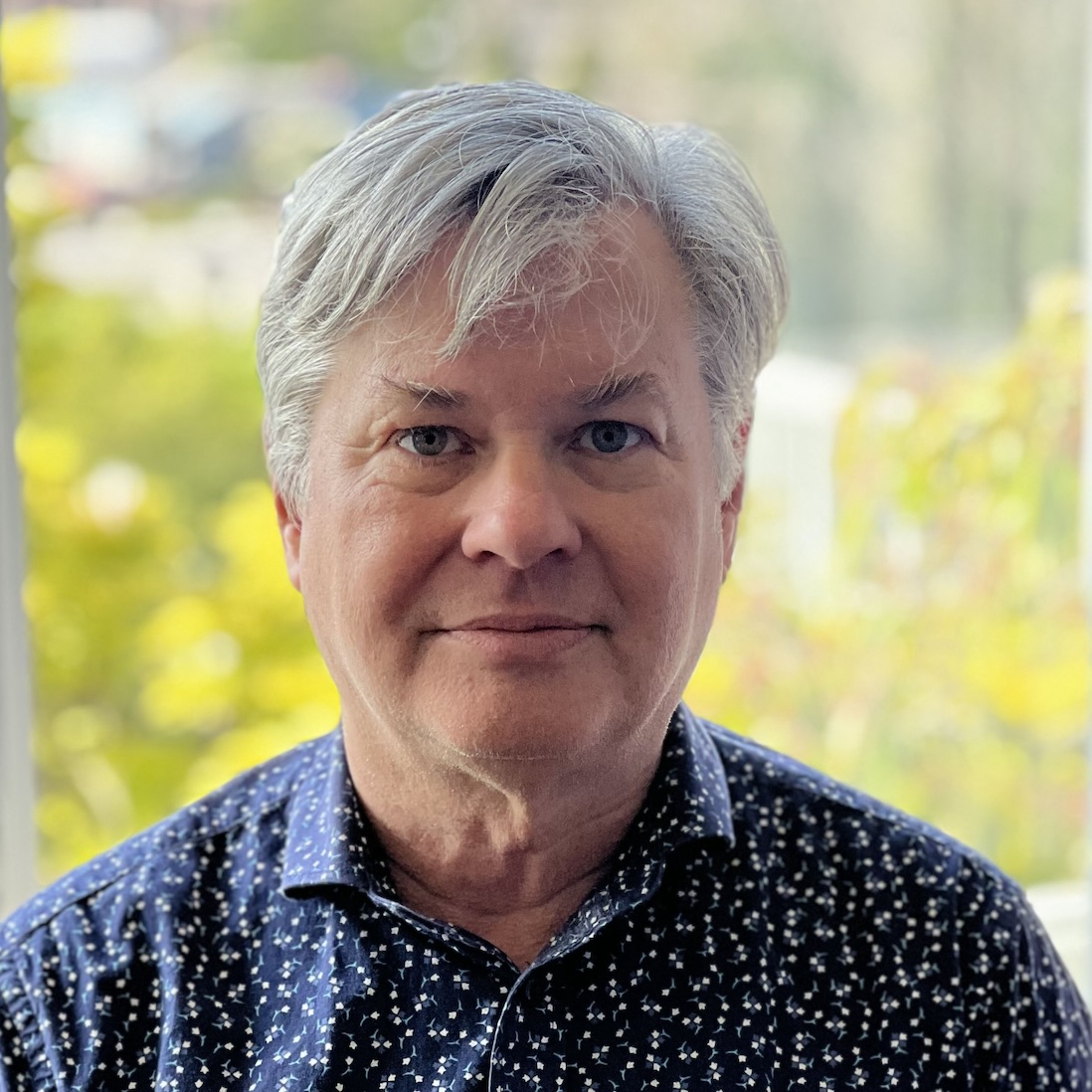
Clay Reid
Senior Investigator, Clay Reid Lab
Allen Institute, Johns Hopkins University
Extended Bio
Bio coming soon!
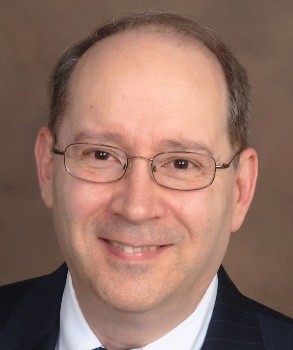
Lyle Levine
AM Bench Program Founder and Co-Chair
National Institute of Standards and Technology (NIST)
Extended Bio
Dr. Lyle Levine is a physicist at the National Institute of Standards and Technology (NIST) in the USA. Dr. Levine founded and co-leads several prominent national and international efforts in the areas of additive manufacturing (AM) and qualification and certification (Q&C).
As one example, Dr. Levine founded and co-leads the Additive Manufacturing Benchmark Test Series (AM Bench), a NIST-led organization that has built collaborations with more than 30 US and European research organizations to provide rigorous AM benchmark measurement data and challenge problems to the AM modeling community.
AM Bench is the world’s largest provider of AM validation data, with approximately 1670 unique user data downloads each month.
For further information on AM Bench, please visit our website at www.nist.gov/ambench.
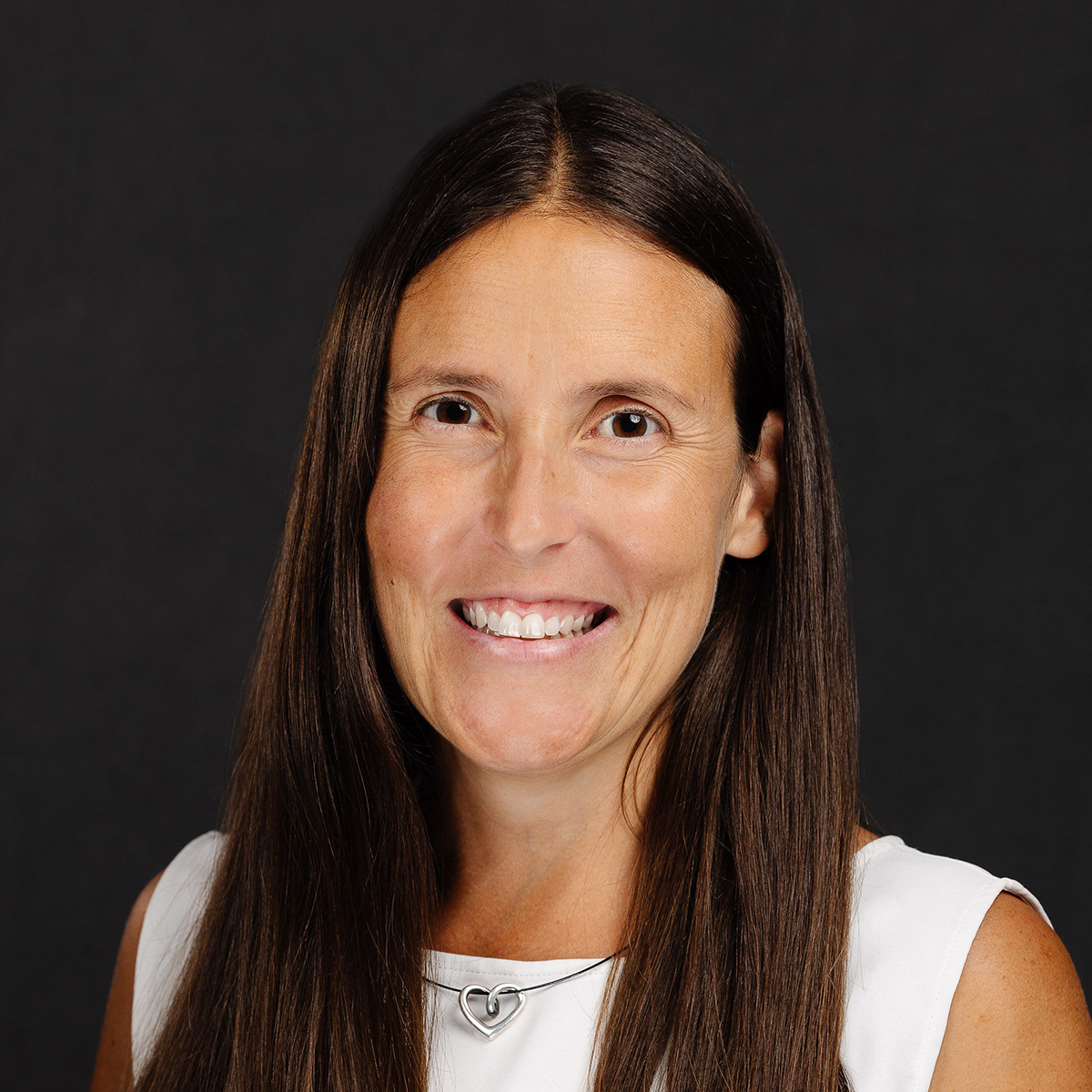
Caroline Uhler
Director, Eric & Wendy Schmidt Center, Broad Institute of MIT and Harvard; Andrew (1956) and Erna Viterbi Professor of Engineering, MIT
Broad Institute, MIT
Extended Bio
Caroline Uhler is a core institute member of the Broad Institute of MIT and Harvard, where she directs the Eric and Wendy Schmidt Center and is a member of the Scientific Leadership Team. She is also the Andrew (1956) and Erna Viterbi Professor of Engineering in the Department of Electrical Engineering and Computer Science and the Institute for Data, Systems, and Society at MIT.
Caroline’s research lies at the intersection of machine learning, statistics, and genomics, with a particular focus on causal inference, representation learning, and gene regulation.
Caroline is recognized as a creative and innovative researcher and teacher at the intersection of machine learning, statistics, and biology. She is a SIAM Fellow, a Fellow of the IMS, a Sloan Research Fellow, and an elected member of the International Statistical Institute. In addition, she has received multiple awards including an NIH New Innovator Award, a Simons Investigator Award, and an NSF Career Award.
Caroline holds an MSc in mathematics, a BSc in biology, and an MEd all from the University of Zurich. She obtained her PhD in statistics from UC Berkeley in 2011 and then spent three years as an assistant professor at IST Austria before joining the faculty at MIT in 2015.
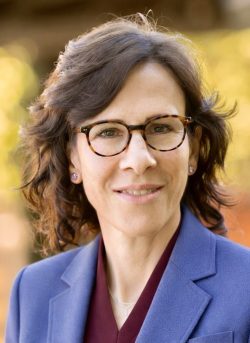
Roseanna Zia
Wollersheim Professor of Mechanical and Aerospace Engineering
University of Missouri
Extended Bio
Roseanna Zia is an Associate Professor of Chemical Engineering and Materials Science at the University of Missouri. Her research focuses on the physics of soft matter, including colloids, suspensions, gels, and other complex materials whose properties emerge from interactions at the microscopic scale.
Zia combines theory, simulation, and quantitative analysis to understand how structure and dynamics evolve in nonequilibrium systems, with relevance to materials design, processing, and performance. Her work sits at the intersection of engineering and statistical physics, and it has implications for a wide range of applications, from advanced manufacturing to consumer and biomedical materials.
She is also recognized for mentoring students in interdisciplinary research and for bringing rigorous physical insight to challenging problems in soft condensed matter.
Agenda
Agenda TBD. Check back soon for program details.
Plenary Speakers
Plenary speakers topic TBD

Plenary 1
Professor, Department, School
Talk title
Talk title
Extended Bio
Coming soon
Plenary 2
Professor, Department, School
Talk title
Talk title
Extended Bio
Coming soon
Plenary 3
Professor, Department, School
Talk title
Presented by Jiafang Song
Extended Bio
Coming soon
Plenary 4
Professor, Department, School
Talk title
Talk title
Extended Bio
Coming soon
Poster Gallery, Lightning Talks, & Contest
Poster registration coming soon!
Plenary 1
Professor, Department, School
Talk title
Talk title
Extended Bio
Coming soon
Plenary 2
Professor, Department, School
Talk title
Talk title
Extended Bio
Coming soon
Plenary 3
Professor, Department, School
Talk title
Presented by Jiafang Song
Extended Bio
Coming soon
Plenary 4
Professor, Department, School
Talk title
Talk title
Extended Bio
Coming soon
Panel 2
xxx
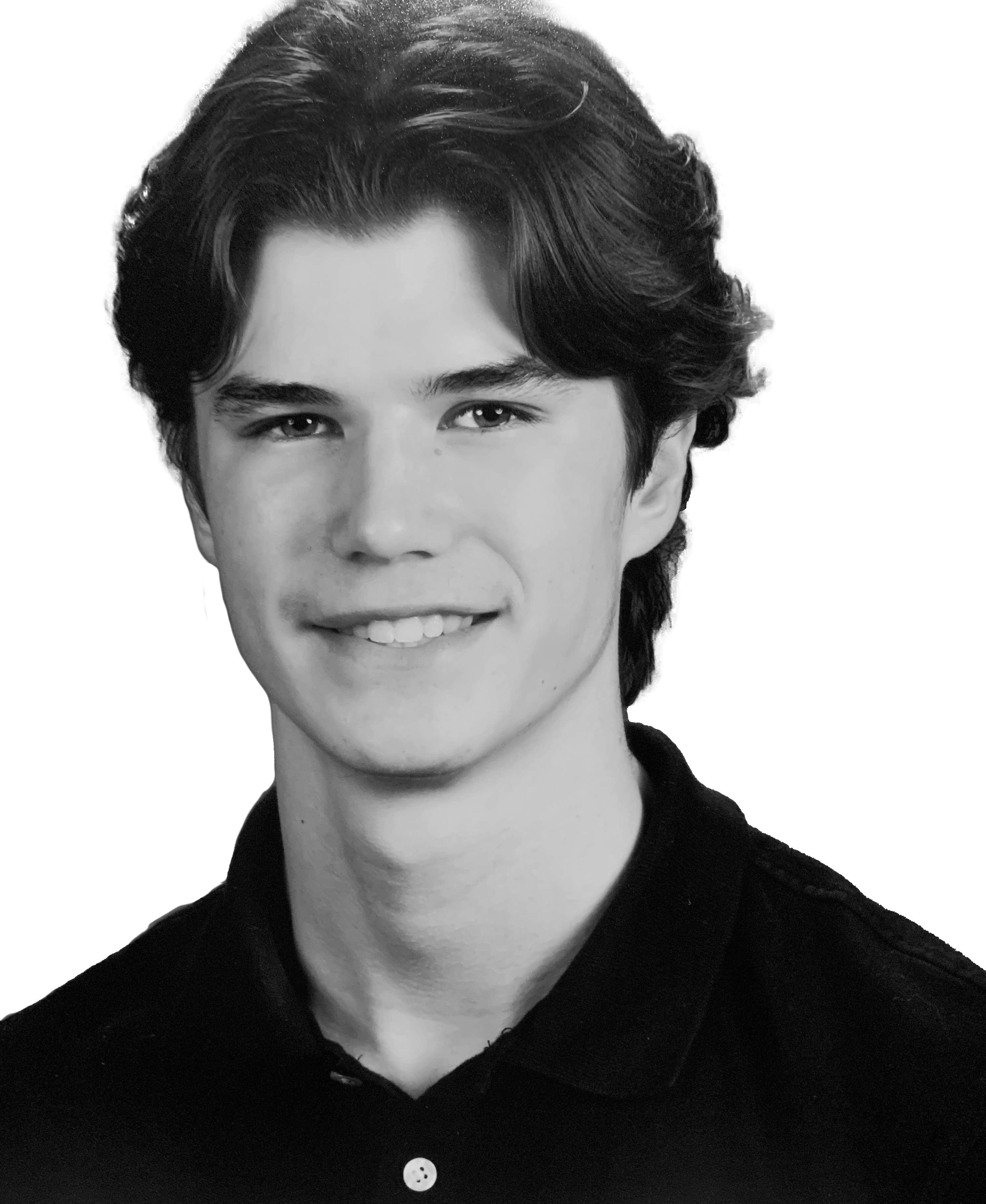
James D’Alleva-BochaIn
Third-year student, Applied Mathematics and Statistics, Whiting School of Engineering
Understanding Learning: An Exploratory Analysis of the Geometry of Neural Network Weights and Activation »
Extended Bio
Coming soon
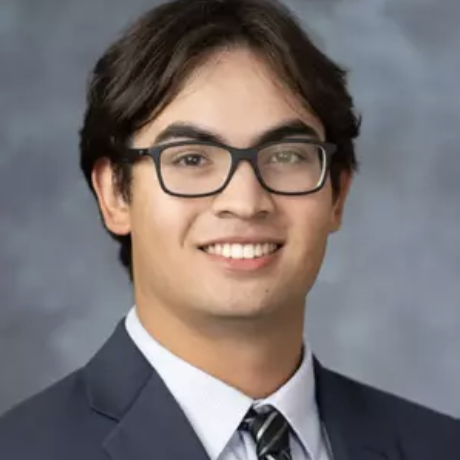
Alex Larson
Fourth-year student, Applied Mathematics and Statistics, Whiting School of Engineering
Enhancing Post-Operative Efficiency in the Neurosciences Critical Care Unit Using Machine Learning and Data Science »
Extended Bio
Coming soon

Srisha Nippani
Third-year student, Mathematics, Krieger School of Arts & Sciences
A Non-Parametric Approach for Learning Interaction Laws in Agent-Based Systems »
Extended Bio
Coming soon
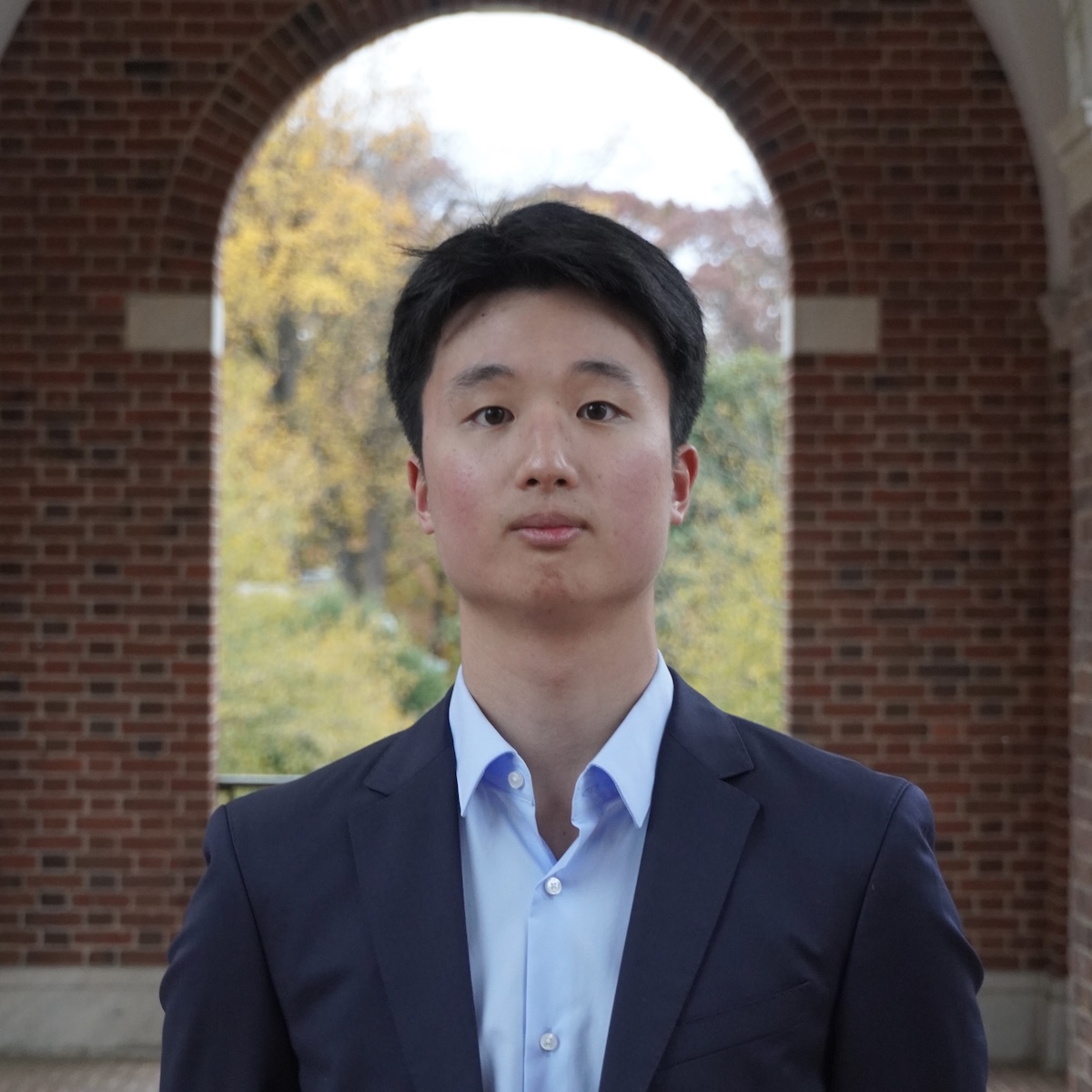
Jooyoung Ryu
Fourth-year student, Computer Science, Whiting School of Engineering
AI-driven Echocardiographic Model for Early Identification of Stress Cardiomyopathy »
Extended Bio
Coming soon