

2026 IDIES Annual Symposium
Thursday, October 22, 2026 8:30am–6:00pm
6225 Smith Ave. Mt. Washington Campus
This year’s theme is:
“In Data We (and AI) Must Trust”
This year’s theme, “In Data We (and AI) Must Trust,” highlights the growing importance of trust, transparency, and innovation in an increasingly data-rich world.
This event is free, but registration is required.
Poster Registrations Are Now Closed
PROGRAM NOW AVAILABLE
The Institute for Data-Intensive Engineering and Science (IDIES) invites you to its Annual Symposium—a free, university-wide event celebrating the power of data-driven discovery and interdisciplinary collaboration.
Bringing together researchers, innovators, and practitioners from across Johns Hopkins University, government agencies, and private industry, the symposium showcases the latest developments in data-intensive research while creating space for connection, conversation, and new ideas.
Attendees can look forward to an engaging program featuring presentations from Hopkins researchers, updates from IDIES-affiliated projects, a poster gallery, lightning talks, a juried competition, and topic-based discussions designed to spark meaningful discussion across fields. More than just a showcase of research, the symposium is a vibrant gathering place for building collaborations, sharing insights, and exploring what’s next in data-intensive science and engineering. Breakfast, lunch, and cocktails will be provided.
This event is free, but registration is required.
With support from:

Keynote Speakers
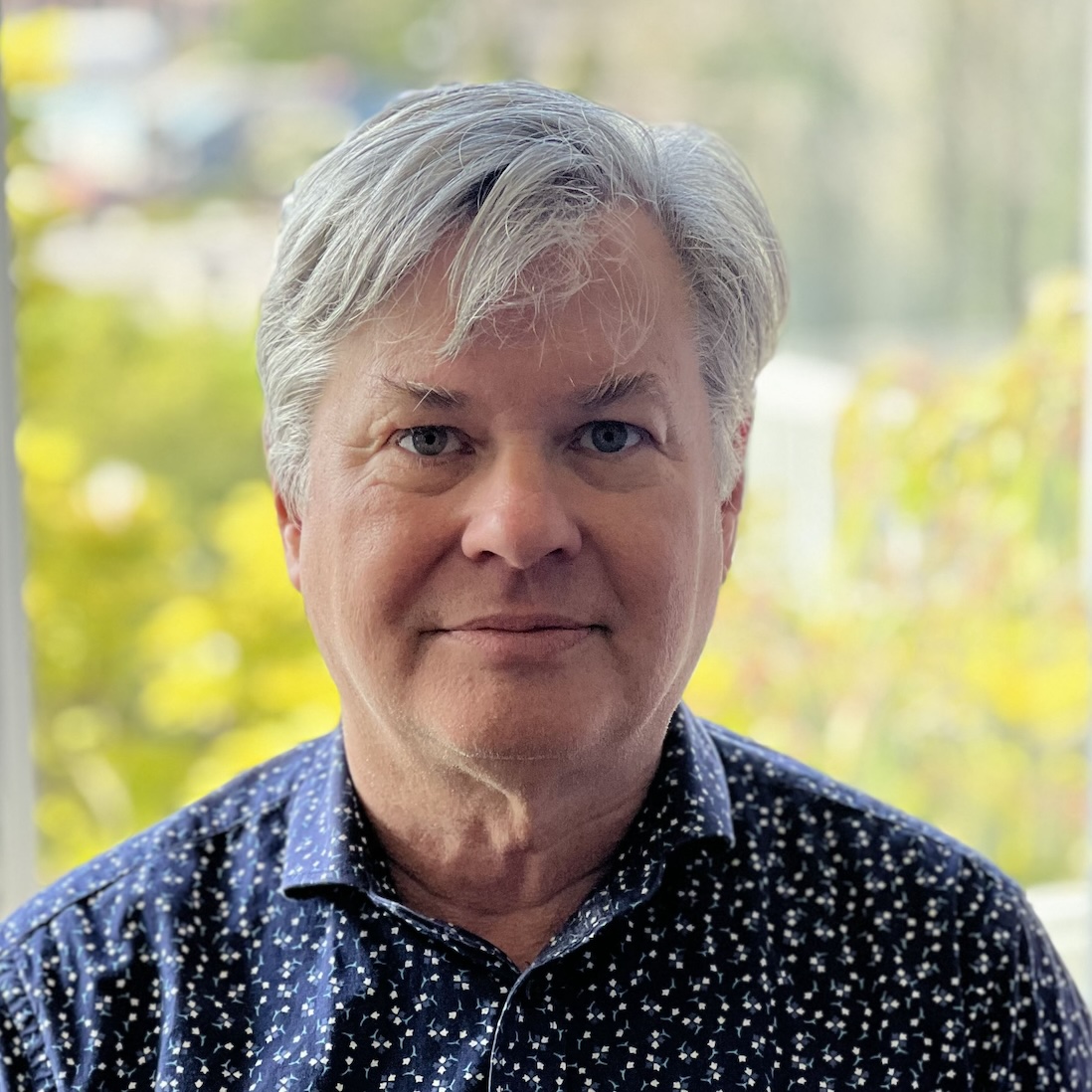
R Clay Reid, MD, PhD
Professor in the Johns Hopkins Departments of Neuroscience and Biomedical Engineering
Johns Hopkins University
Extended Bio
Clay Reid recently joined the Hopkins faculty, hired as part of the Petascale Neuroscience and AI cluster in DSAI. He previously was an Investigator at the Allen Institute for Brain Science and Professor of Neuroscience at Harvard Medical School.
Throughout his career, he has used high-throughput imaging approaches to investigate how the structure of neural circuits relates to their function. Starting 20 years ago, his group was one of the first to use volumetric electron microscopy (EM connectomics) to examine the interconnections of neurons in increasingly large networks, culminating in the MICrONS project (microns-explorer.org), which created a petascale dataset of visual cortex encompassing ~100,000 neurons and half a billion synapses.
His research program at Hopkins will be to create multi-petascale atlases of the human brain, with the long-term goal of tracing the network of individual axons—comprising tens of thousands of kilometers—throughout the brain.

Lyle Levine, PHD
AM Bench Program Founder and Co-Chair
National Institute of Standards and Technology (NIST)
Extended Bio
Dr. Lyle Levine is a physicist at the National Institute of Standards and Technology (NIST) in the USA. Dr. Levine founded and co-leads several prominent national and international efforts in the areas of additive manufacturing (AM) and qualification and certification (Q&C).
As one example, Dr. Levine founded and co-leads the Additive Manufacturing Benchmark Test Series (AM Bench), a NIST-led organization that has built collaborations with more than 30 US and European research organizations to provide rigorous AM benchmark measurement data and challenge problems to the AM modeling community.
AM Bench is the world’s largest provider of AM validation data, with approximately 1670 unique user data downloads each month.
For further information on AM Bench, please visit our website at www.nist.gov/ambench.
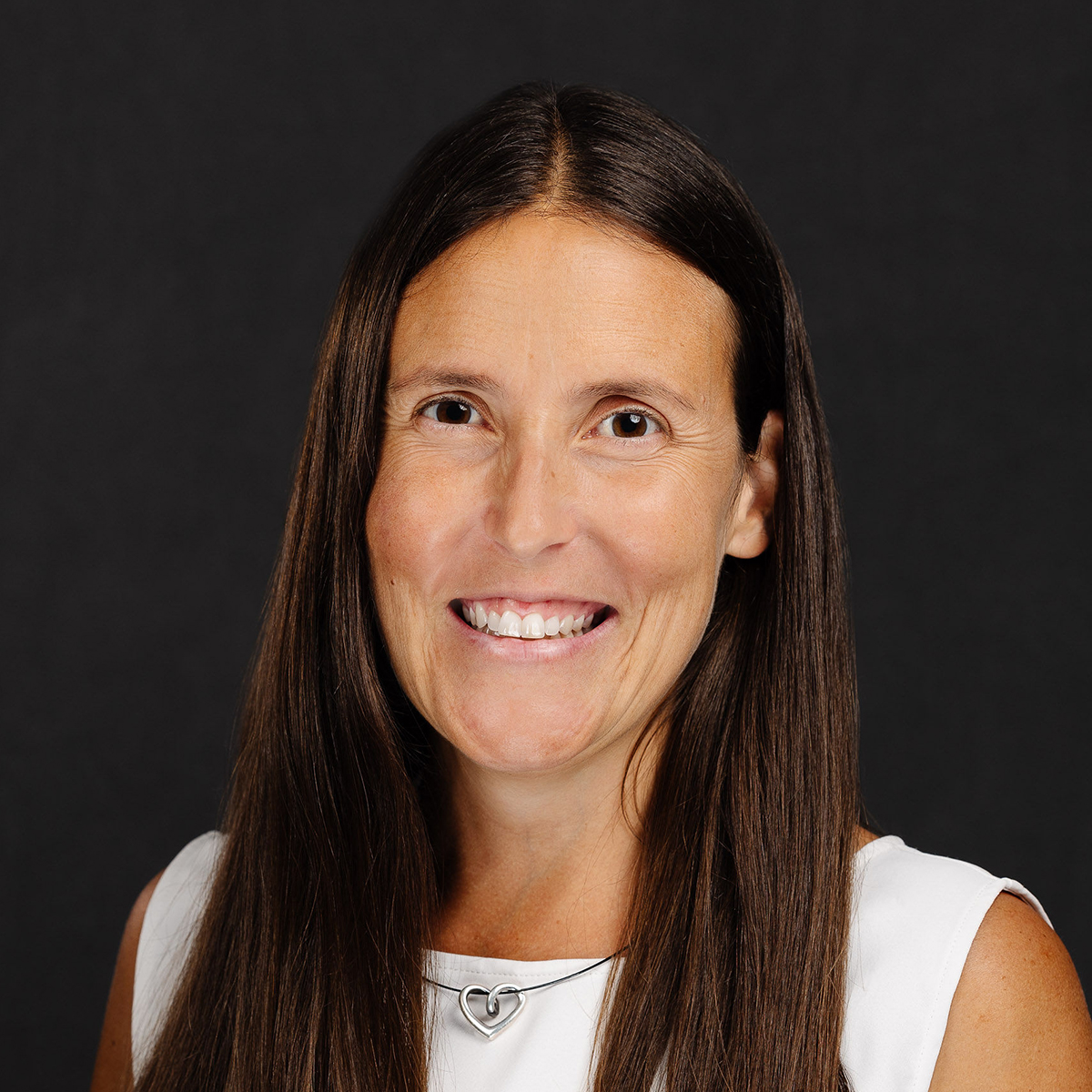
Caroline Uhler, PHD
Director, Eric & Wendy Schmidt Center, Broad Institute of MIT and Harvard; Andrew (1956) and Erna Viterbi Professor of Engineering, MIT
Broad Institute, MIT
Extended Bio
Caroline Uhler is a core institute member of the Broad Institute of MIT and Harvard, where she directs the Eric and Wendy Schmidt Center and is a member of the Scientific Leadership Team. She is also the Andrew (1956) and Erna Viterbi Professor of Engineering in the Department of Electrical Engineering and Computer Science and the Institute for Data, Systems, and Society at MIT.
Caroline’s research lies at the intersection of machine learning, statistics, and genomics, with a particular focus on causal inference, representation learning, and gene regulation.
Caroline is recognized as a creative and innovative researcher and teacher at the intersection of machine learning, statistics, and biology. She is a SIAM Fellow, a Fellow of the IMS, a Sloan Research Fellow, and an elected member of the International Statistical Institute. In addition, she has received multiple awards including an NIH New Innovator Award, a Simons Investigator Award, and an NSF Career Award.
Caroline holds an MSc in mathematics, a BSc in biology, and an MEd all from the University of Zurich. She obtained her PhD in statistics from UC Berkeley in 2011 and then spent three years as an assistant professor at IST Austria before joining the faculty at MIT in 2015.
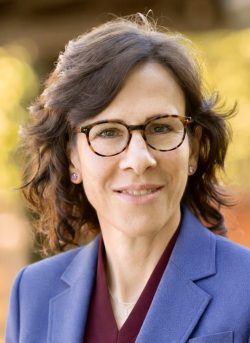
Roseanna N. Zia, PhD
Wollersheim Professor of Mechanical and Aerospace Engineering
University of Missouri, Columbia
Extended Bio
Roseanna N. Zia is the Wollersheim Professor of Mechanical and Aerospace Engineering at the University of Missouri, Columbia. Her research combines computational biology with physics-based models that simulate entire bacterial cells with unprecedented molecular detail. To explicitly represent every protein, ribosome, and DNA molecule as a physical object in a whole-cell model, her lab is integrating AI-guided tools with atomistic-resolution physics. This new class of whole-cell models promises to expand synthetic biologists’ ability to engineer bacteria for biotechnology, synthetic cells, and bespoke biomaterials. Current whole-cell models of E. coli and JCVI-Syn3A, the minimal cell capable of life, have revealed how colloidal-scale physics regulate protein synthesis rates and spatial organization. Her lab’s new models predict design conditions for bottom-up, ultra-simple synthetic cells, which are subsequently made by a team of experimentalist collaborators.
Prof. Zia earned her Ph.D. at Caltech with John F. Brady studying colloidal hydrodynamics and completed postdoctoral work on colloidal gels at Princeton with William B. Russel before launching her faculty career at Cornell (2013–2017) and Stanford, where she earned tenure (2017–2022).
A Fellow of the American Physical Society, she has received two Presidential Early Career Awards (PECASE), ONR Director of Research Early Career Award, ONR Young Investigator Award, and NSF CAREER Award, among other honors. She has delivered over 100 invited lectures worldwide and served as Associate Editor of the Journal of Rheology (2017–2023). Her multidisciplinary work spans chemical engineering, physics, mechanical engineering, and biology.
Agenda
| 8:30 to 9 a.m. | Breakfast |
| 9 to 9:15 a.m. | Alex Szalay — Opening remarks |
| 9:15 to 9:35 a.m. | Ani Thakar — Sloan Digital Sky Survey (SDSS) DR20 and SciServer |
| 9:35 to 9:55 a.m. | Brian Mohr — IDIES Data Center Update |
| 9:55 to 10:30 a.m. |
Keynote: Clay Reid (Johns Hopkins) A Google Earth for the Human Brain: Petascale Imaging of Axonal Trajectories Throughout the Brain |
| 10:30 to 10:45 a.m. | Morning break |
| 10:45 to 11:05 a.m. | Amy Binder and Mustafa Yavas — Visualizing Career Funneling in Top U.S. Universities |
| 11:05 to 11:25 a.m. |
Dennice Gayme — JHTDB-wind: Sharing High-Fidelity Wind Farm Simulation Data with the Research Community, and Insights Gained |
| 11:25 a.m. to 12 p.m. |
Keynote: Caroline Uhler (Broad Institute of MIT) Causal Principles for Multi-Modal Data Integration and Translation |
| 12 to 12:30 p.m. | Poster lightning talks |
| 12:30 to 2 p.m. |
Lunch & poster gallery Poster session: 12:30 to 1:30 p.m. |
| 2 to 2:05 p.m. | Poster winner |
| 2:05 to 2:20 p.m. | Elizabeth Smyth — Importance of Trusted Data and Data Science History at Hopkins |
| 2:20 to 2:40 p.m. | Ting-Yi Lin — Representing the Ippolito Lab on the malaria computer vision project |
| 2:40 to 3 p.m. | Sue Werner — From Prototype to Pipeline — IDIES + Mapping the Modern Agora |
| 3 to 3:35 p.m. |
Keynote: Lyle Levine (NIST) Supporting the Simulation Community with Rigorous Benchmark Measurements for Additive Manufacturing |
| 3:35 to 3:50 p.m. | Afternoon break |
| 3:50 to 4:10 p.m. | Paulette Clancy — Advanced Research Computing at Hopkins (ARCH) |
| 4:10 to 4:45 p.m. |
Keynote: Roseanna Zia (University of Missouri) Ribogenesis in Minimal Cells: Using AI to Accelerate Near-Atomistic Modeling to Discover the Matter-to Life Nexus and Enable Autonomous Synthetic Cells |
| 4:45 to 5 p.m. | Alex Szalay and Charles Meneveau — Closing remarks |
| 5 to 6 p.m. | Reception |
Plenary & Updates Speakers
(By order of appearance)
Alex Szalay and Charles Meneveau
Opening and closing remarks
Ani Thakar
Sloan Digital Sky Survey (SDSS) DR20 and SciServer
Brian Mohr
IDIES Data Center Update
Amy Binder and Mustafa Yavas
Visualizing Career Funneling in Top U.S. Universities
Dennice Gayme
JHTDB-wind: Sharing High-Fidelity Wind Farm Simulation Data with the Research Community, and Insights Gained
Elizabeth Smyth
Importance of Trusted Data and Data Science History at Hopkins
Ting-Yi Lin
Representing the Ippolito Lab on the malaria computer vision project
Sue Werner
From Prototype to Pipeline — IDIES + Mapping the Modern Agora
Paulette Clancy
Advanced Research Computing at Hopkins (ARCH)
Poster Gallery, Lightning Talks, & Contest

The Institute for Data-Intensive Engineering and Science (IDIES) is seeking poster submissions for the 2026 IDIES Annual Symposium.
The poster session is open to members of the Greater Johns Hopkins community, including the university, hospital, health care, Space Telescope, APL, and Peabody. Posters should reflect the IDIES mission of furthering data-intensive and computationally intensive research and education.
The deadline to submit a poster for consideration is Monday, October 19
Poster Registrations Are Now Closed
Eligibility
The poster session is open to all IDIES members. You may register your poster at any time prior to Monday, October 19, but must have applied for, or received, IDIES membership before the event on October 22. Membership information and applications may be found here.
Poster entrants must also register to attend the event, which can be done so on the symposium event page.
Entrants participating in the juried poster contest must also submit a digital version of their poster before October 19 to be considered. This is in addition to the printed poster that will be appear in the gallery.
Separate registrations required for poster entry and symposium attendance
Poster Specs and Requirements
Posters should reflect the IDIES mission (https://www.idies.jhu.edu/about/#values) of furthering data-intensive and computationally intensive research and education. The area of research may be in any discipline that would be of interest to IDIES members and other attendees as long as the methodology or analysis pertains to the use of Big Data.
Posters must be printed, as well as submitted digitally for consideration in the poster contest.
IDIES will provide poster boards, easels, and clips at the symposium.
Each poster presenter will deliver a 2-minute lightning talk summarizing their research during the IDIES poster segment prior to the poster gallery walk during lunch intermission.
Best Poster Award
IDIES will present an award for the Best Poster at the symposium.
The poster session will take place prior to the lunch break starting; registrants are strongly encouraged to attend the rest of the symposium talks.
Judges will use the following scoring guidelines to select this year’s best poster.
Poster Scoring Criteria:
Scientific Merit
Does the research encompass the potential to advance knowledge?
Is the research innovative?
Does the research demonstrate potential to benefit society and contribute to the achievement of specific, desired societal outcomes?
Scientific Content
Abstract is informative and aligns with the scientific content of the poster.
Objectives & methods are clearly and informatively explained.
Findings & conclusions clearly state the results of the study, and explains the significance of the study and importance of the results.
Poster Display and Organization
Overall Appearance
Text/graphics Balance
Main Points are clearly identified
Example Poster:
Analyzing energy cascade of filtered vortices using a novel turbulence database framework

(HANXUN YAO) Turbulence exists widely in nature and engineering. It is unpredictable due to its feature of being chaotic. One of the important phenomenon of turbulence is called energy cascade; it describes energy is extracted from large-scale eddies, then transfer to smaller scale eddies, and finally dissipate due to viscous effects. In this work, we use the Karman-Howarth-Monin-Hill (KHMH) equation to explore possible correlation between energy cascade and features of large-scale motions (e.g., filtered vorticity and strain rate).
Panel 2
xxx
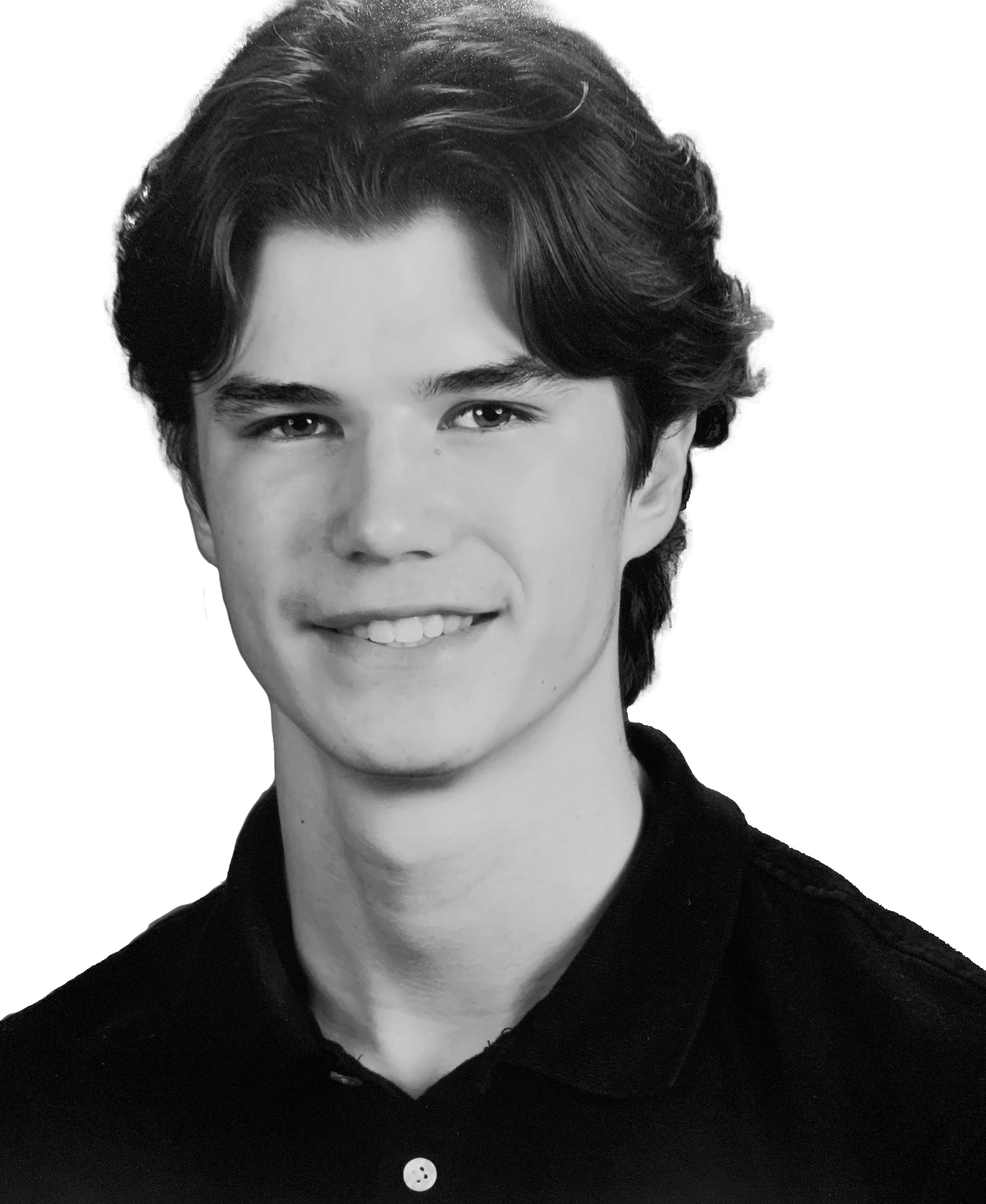
James D’Alleva-BochaIn
Third-year student, Applied Mathematics and Statistics, Whiting School of Engineering
Understanding Learning: An Exploratory Analysis of the Geometry of Neural Network Weights and Activation »
Extended Bio
Coming soon
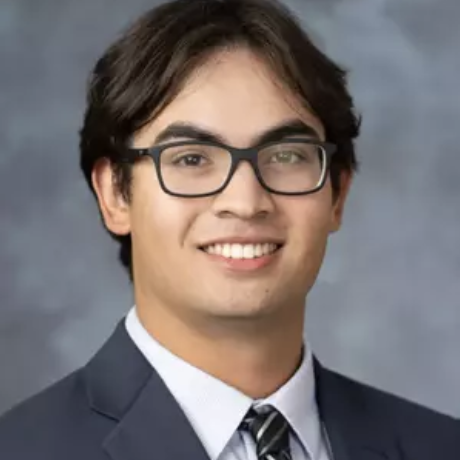
Alex Larson
Fourth-year student, Applied Mathematics and Statistics, Whiting School of Engineering
Enhancing Post-Operative Efficiency in the Neurosciences Critical Care Unit Using Machine Learning and Data Science »
Extended Bio
Coming soon

Srisha Nippani
Third-year student, Mathematics, Krieger School of Arts & Sciences
A Non-Parametric Approach for Learning Interaction Laws in Agent-Based Systems »
Extended Bio
Coming soon
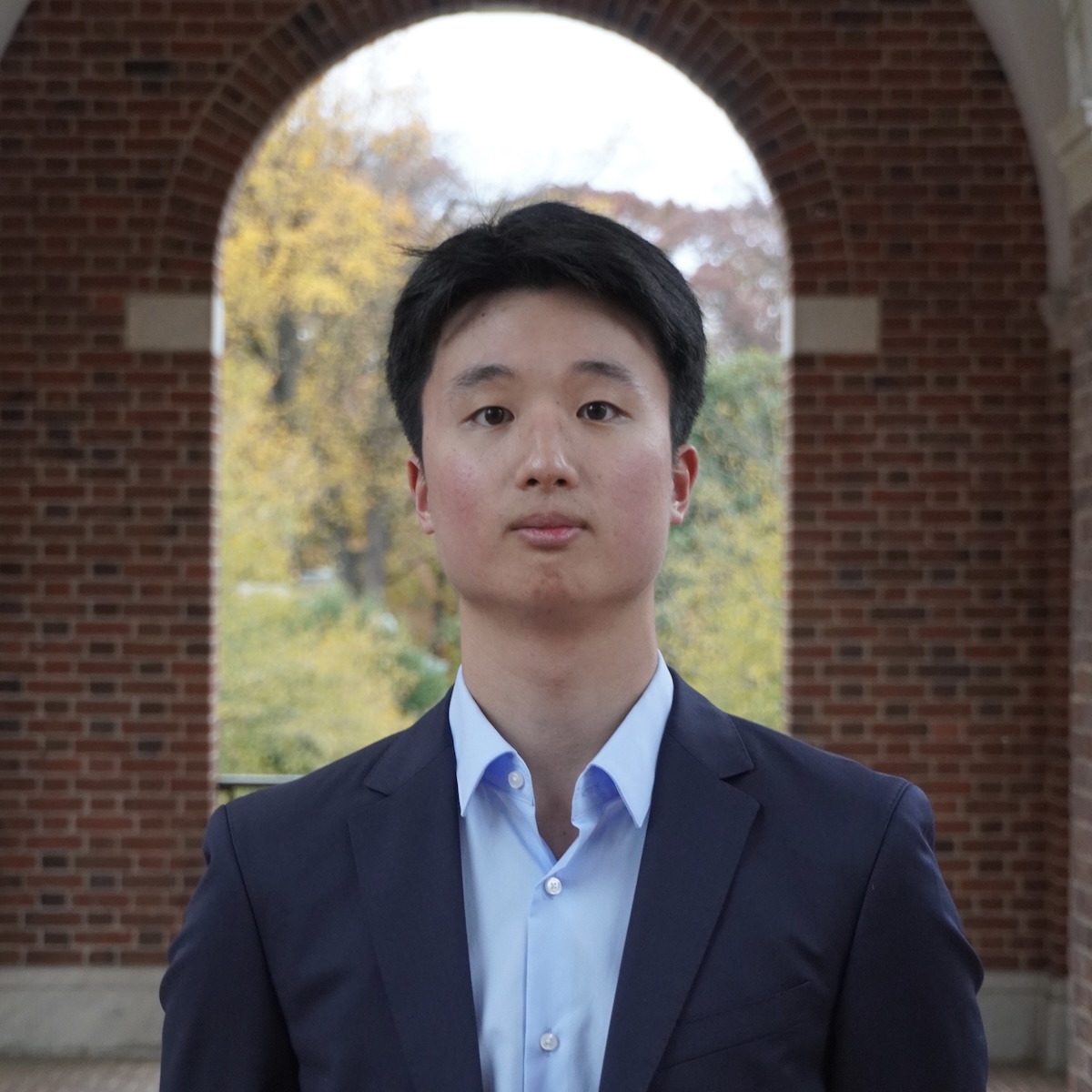
Jooyoung Ryu
Fourth-year student, Computer Science, Whiting School of Engineering
AI-driven Echocardiographic Model for Early Identification of Stress Cardiomyopathy »
Extended Bio
Coming soon